


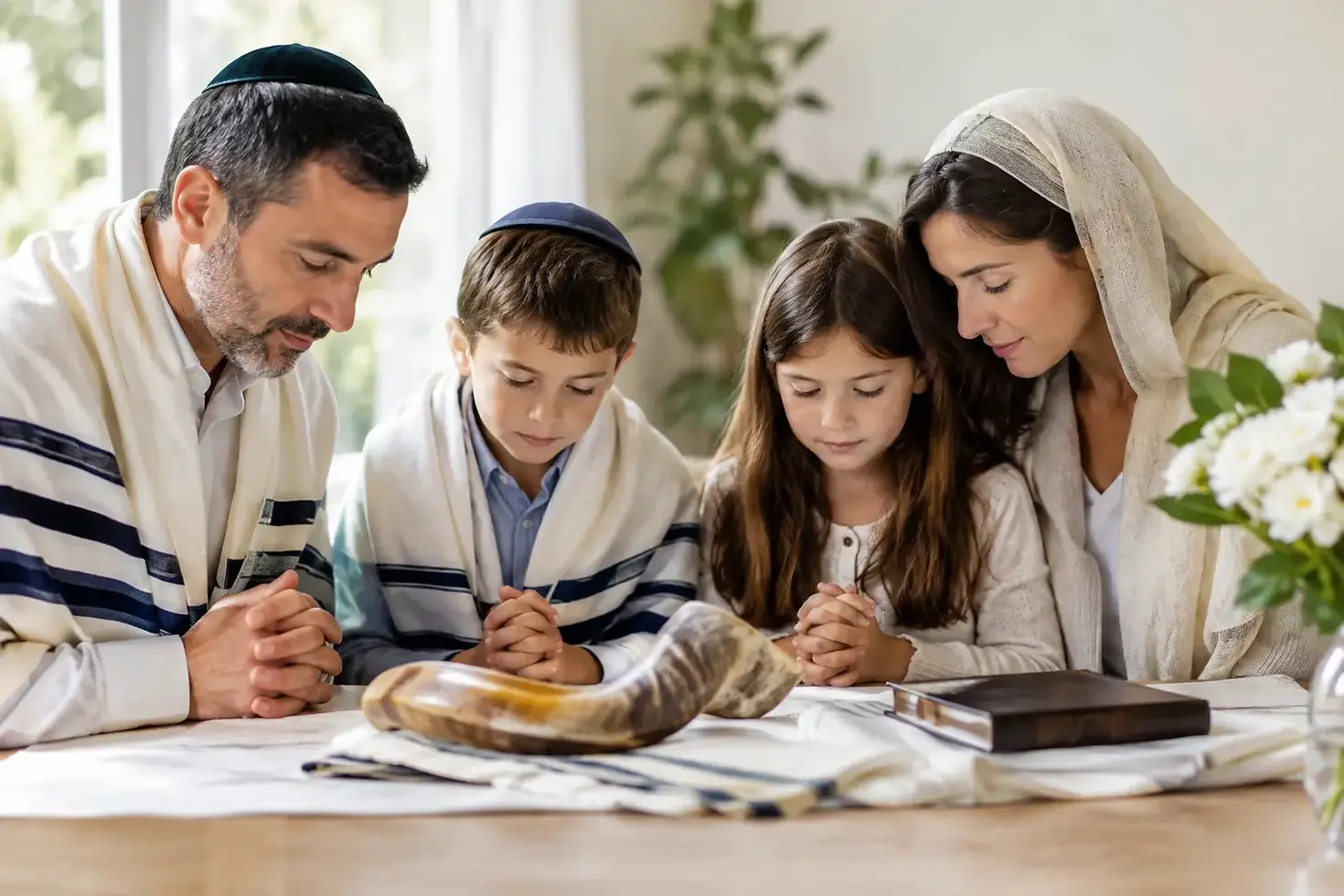
How to Prepare for Yom Kippur as a Family
Yom Kippur asks us to pause in a way few other days do. The phones can wait, the errands can wait, and even the words we have been carrying quietly all year can be set down for a moment. To prepare for Yom Kippur is not to arrive with a perfect record or a perfect understanding of every prayer. It is to make room for honesty, repair, memory, and hope - alone, with family, and alongside the Jewish community.
For Russian-speaking Jewish families across the Bay Area and Northern California, the day can hold many layers at once: synagogue traditions remembered from childhood, questions from children, grief for those no longer with us, and a desire to pass something meaningful forward. There is no single correct starting point. A thoughtful preparation can help the day feel less intimidating and more personal.
Prepare for Yom Kippur Before the Holiday Begins
Yom Kippur begins at sundown on the 10th day of Tishrei and concludes the following night. The work of the day begins earlier, during the Ten Days of Repentance between Rosh Hashanah and Yom Kippur. Jewish tradition calls this process teshuvah, often translated as repentance but more literally understood as return. It means returning to the person you want to be, returning to your values, and returning to relationships that may need attention.
Start with one quiet question: Where did I fall short this year? The answer may involve family, a friend, a colleague, your community, or yourself. Try to be specific without becoming harsh. Reflection is not a contest in self-criticism. It is an opportunity to name what happened and choose what you will do differently.
If you have hurt someone, reach out before Yom Kippur when possible. A sincere apology names the action, acknowledges its impact, and does not demand immediate forgiveness. For example: “I was dismissive when you needed support. I am sorry. I want to listen better.” Some conversations will be simple; others may require time, boundaries, or professional support. Not every relationship can be repaired in one call. The responsibility is to approach repair with truth and care.
It can also help to write down what you are ready to release. Perhaps it is resentment, a promise you made to yourself but did not keep, or the pressure to meet someone else’s expectations. Keep the list private, share it with a trusted person, or use it as the basis for a family conversation.
Plan the Day With Care, Not Pressure
Yom Kippur is traditionally observed as a fast day, with extended prayer services and a break from ordinary work and routines. For many adults, fasting from food and drink for roughly 25 hours is a meaningful part of the experience. It is also not appropriate or safe for everyone.
Children do not fast, and people who are pregnant, nursing, ill, recovering, managing a medical condition, or taking medication should seek medical guidance and speak with a rabbi if they have questions about observance. Jewish tradition places the preservation of life and health first. Choosing not to fast for health reasons is not a failure to observe the day.
If you plan to fast, prepare practically. Drink water consistently in the day or two before the holiday rather than trying to “catch up” at the last minute. Eat balanced meals before the fast, including protein, complex carbohydrates, fruits, and vegetables. Avoid making the pre-fast meal overly salty or unusually heavy. Arrange the schedule so cooking, shopping, transportation, and childcare needs are handled before sundown.
Consider what you will need to feel present. Set aside a prayer book, a sweater for a cool sanctuary, comfortable shoes, water and snacks for children, and a simple plan for getting home after the concluding service. If you are attending services for the first time in years, arrive with curiosity rather than anxiety. You do not need to know every Hebrew word to participate. Listen to the melodies, follow along where you can, and allow the communal rhythm to carry you.
Choose the services that meet you where you are
Yom Kippur services include powerful moments throughout the day. Kol Nidrei, on the evening when the holiday begins, is known for its haunting melody and emotional opening. The morning service includes communal confession, expressed in the plural - “we have sinned” - reminding us that responsibility is both personal and shared. Yizkor offers a time to remember loved ones who have died. The closing service, Ne'ilah, carries the urgency and tenderness of a final gathering before the day ends.
You do not need to attend every service for the day to matter. A family with young children may come for a portion of the morning, spend time together at home, and return for Ne'ilah. Someone caring for an aging parent may participate from home with a prayer, a poem, or a period of silence. The best plan is one that is realistic enough to keep.
Give Children a Meaningful Place in Yom Kippur
Children notice when a holiday is treated as important, but they need an age-appropriate way to understand why. Explain Yom Kippur in direct language: it is a day when Jewish people think about their choices, apologize for mistakes, and try to begin again. Emphasize that everyone makes mistakes. The goal is not shame; it is learning how to take responsibility.
At dinner before the holiday, invite each person to share one kind thing they did this year and one thing they would like to improve. Younger children can draw pictures of a “fresh start.” Older children and teens may be ready to discuss what an apology sounds like, why forgiveness can be difficult, or how to make a change beyond words.
Keep expectations flexible. A toddler may not sit through a service, and a teenager may be more willing to participate if they can attend with a friend or help with a meaningful task. Let children see adults reflect, apologize, and make amends too. That example teaches more than a perfect explanation ever could.
Families also can bring cultural memory into the day. Ask grandparents or relatives about Yom Kippur traditions from their childhoods. What did the holiday feel like in their home? Which Jewish practices were kept quietly, changed over time, or rediscovered after immigration? These conversations honor the resilience of Russian-speaking Jewish families and help young people understand that Jewish continuity is not abstract. It lives in the stories people carry.
Make Space for Community and Giving
Yom Kippur reminds us that our choices affect more than our own households. The prayers are spoken together because Jewish life is built through mutual responsibility. A phone call to someone who may be alone, a ride offered to a neighbor, or a contribution that makes Jewish programs accessible can become part of preparing for the day.
This is especially meaningful in a community made up of people at different stages of Jewish connection. Some families are raising children with Hebrew education and holiday traditions already in place. Others are taking a first step after many years away. Some have arrived recently; others have built their lives in Northern California over decades. Every person deserves a welcoming place to learn, pray, ask questions, and belong.
RSJC is proud to help create those connections through community gatherings, family programs, Jewish education, and opportunities that make participation more accessible. When we show up for one another, we give the next generation more than a holiday on the calendar. We give them living evidence that they are part of a people and a community.
After the Fast: Carry One Intention Forward
The end of Yom Kippur is often marked by the final blast of the shofar and the relief of sharing a meal. Enjoy that moment. Eat gently, drink water, and let the house fill again with conversation and food. But before the holiday disappears into the speed of ordinary life, choose one intention to carry into the year.
Make it small enough to practice: call a parent every Friday, volunteer once a month, learn a Hebrew blessing with your child, apologize sooner, or make time for Jewish community. A meaningful Yom Kippur is not measured by how exhausted you feel at the end of the fast. It is measured by the compassion, courage, and connection you bring into the days that follow.


Comments